How VPN Encryption Protects Your Internet Traffic
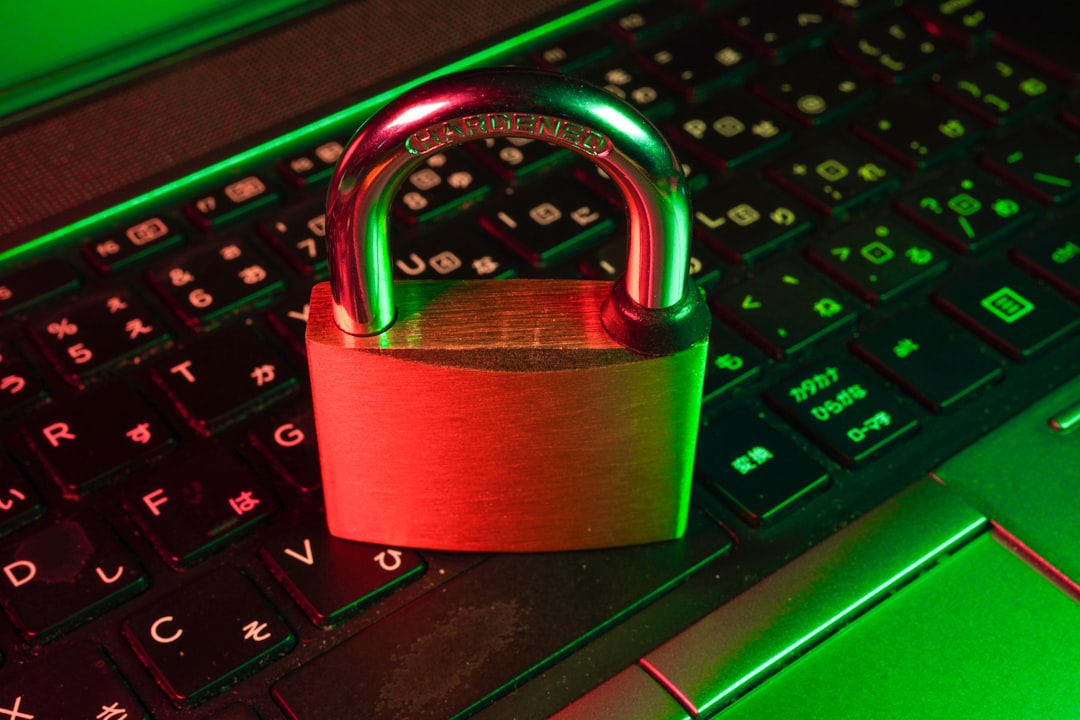
Every time you browse the web, your internet traffic passes through multiple networks where it can be intercepted, monitored, or stolen. VPN encryption transforms your data into unreadable code, creating a secure tunnel between your device and the internet. This post explains how VPN encryption works, which protocols provide the strongest protection, and why it's essential for modern internet users concerned about privacy and security.
Understanding VPN Encryption Basics
VPN encryption converts your readable internet traffic into scrambled ciphertext using complex mathematical algorithms. When you connect to a VPN server, your data gets encrypted on your device before leaving through your internet connection. Only the VPN server holds the decryption key, making it impossible for anyone monitoring your connection to see what websites you visit, what you type, or what files you download.
The encryption process involves two key components: encryption algorithms that scramble your data and encryption keys that control how the scrambling occurs. Modern VPNs use military-grade AES-256 encryption, which would take billions of years to crack using current computing power. This same standard protects government classified information and financial institutions worldwide.
VPN Encryption Protocols Compared
Different VPN protocols determine how your encrypted data travels through the tunnel. Each protocol balances security, speed, and compatibility differently. Choosing the right protocol depends on your specific privacy needs and network conditions.
| Protocol | Security Level | Speed | Best Use Case |
|---|---|---|---|
| OpenVPN | Very High | Good | General privacy and security |
| WireGuard | Very High | Excellent | Modern devices, fast connections |
| IKEv2/IPSec | High | Very Good | Mobile devices, network switching |
| L2TP/IPSec | Medium | Moderate | Legacy device support |
OpenVPN remains the industry standard, offering proven security with open-source transparency. WireGuard represents the newest generation, providing faster speeds with smaller code that's easier to audit. IKEv2/IPSec excels at maintaining connections when switching between WiFi and cellular networks, making it ideal for smartphones.
How VPN Tunneling Protects Your Data
VPN tunneling wraps your encrypted data in additional layers of protection before sending it across the internet. Think of it as placing a sealed envelope inside a locked briefcase. The tunnel creates a dedicated pathway between your device and the VPN server, isolating your traffic from other internet users and network administrators.
Your Internet Service Provider (ISP) can only see that you're connected to a VPN server—they cannot read your browsing history, monitor your streaming activity, or throttle specific websites. This protection extends to public WiFi networks, where hackers often intercept unencrypted traffic. With VPN tunneling, your data remains secure even on compromised networks.
Encryption Keys and Perfect Forward Secrecy
VPN encryption keys determine who can decrypt your traffic. The longer the key, the more secure the encryption. Perfect Forward Secrecy (PFS) enhances protection by generating new encryption keys for each session. If one session key gets compromised, past and future communications remain secure because each uses different keys.
Premium VPN services implement PFS automatically, creating new keys every hour or even more frequently. This prevents retrospective decryption—even if someone records your encrypted traffic today, they cannot decrypt it later if they somehow obtain one of your session keys. This feature proves critical for journalists, activists, and business professionals handling sensitive information.
Real-World VPN Encryption Benefits
VPN encryption provides concrete privacy advantages beyond theoretical security. It prevents ISPs from selling your browsing history to advertisers, stops websites from tracking your real location, and protects your login credentials on public networks. Remote workers use VPN encryption to access company resources securely, while travelers rely on it to bypass geographic content restrictions safely.
Key protection benefits include:
- Blocking government surveillance and mass data collection programs
- Securing online banking and shopping transactions from packet sniffers
- Preventing bandwidth throttling by hiding your streaming activity from ISPs
- Protecting sensitive communications from workplace or school network monitoring
- Maintaining privacy across multiple devices and operating systems simultaneously
However, VPN encryption cannot make you completely anonymous online. Websites can still track you through cookies, browser fingerprinting, and account logins. Combining VPN encryption with browser privacy tools and careful online habits creates comprehensive protection.
Conclusion
VPN encryption transforms vulnerable internet connections into secure, private channels using military-grade ciphers and tunneling protocols. By understanding how encryption protocols work and implementing Perfect Forward Secrecy, you gain substantial protection against surveillance, hacking, and data theft. Choose a VPN provider that offers strong encryption standards, supports modern protocols like WireGuard, and maintains a verified no-logs policy for maximum privacy protection.