How to Choose a VPN Service That Fits Your Needs
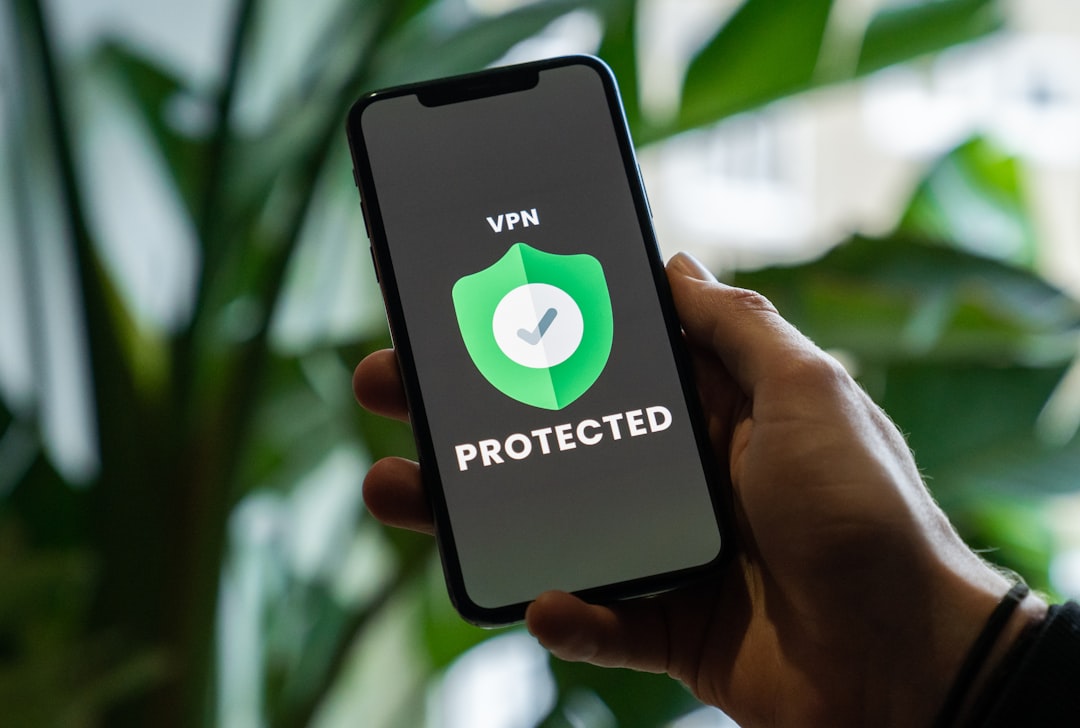
Choosing the right VPN service can feel overwhelming with hundreds of providers claiming to offer the best privacy and security. Whether you need a VPN for streaming, remote work, or protecting your browsing activity, understanding your specific requirements is the first step. This guide will walk you through the essential factors to consider when selecting a VPN that truly matches your needs and budget.
Identify Your Primary Use Case
Before comparing VPN providers, determine why you need a VPN. Different use cases require different features. If you're streaming content from multiple regions, you'll need a VPN with extensive server coverage and fast speeds. For privacy-focused users, strong encryption protocols and a verified no-logs policy matter most. Remote workers should prioritize business-grade security and reliable connections.
Consider these common scenarios:
- Streaming: Requires fast speeds, unlimited bandwidth, and servers in content-rich countries
- Privacy protection: Needs strict no-logs policy, strong encryption, and jurisdiction outside surveillance alliances
- Public Wi-Fi security: Must have automatic connection and kill switch features
- Torrenting: Requires P2P-friendly servers and port forwarding options
Evaluate Security and Privacy Features
The core purpose of a VPN is protecting your data, so security features should be non-negotiable. Look for VPNs that use AES-256 encryption, the industry standard trusted by security professionals worldwide. The VPN protocol matters significantly—OpenVPN and WireGuard offer excellent security with good performance, while older protocols like PPTP should be avoided.
Privacy policies deserve careful scrutiny. A genuine no-logs policy means the provider doesn't record your browsing activity, connection times, or IP addresses. Independent audits from reputable cybersecurity firms verify these claims. Also consider the VPN's jurisdiction—countries with mandatory data retention laws or membership in intelligence-sharing alliances like Five Eyes may compromise your privacy.
| Feature | Why It Matters | Look For |
|---|---|---|
| Encryption Standard | Protects data from interception | AES-256-GCM |
| VPN Protocol | Balances security and speed | WireGuard, OpenVPN |
| Kill Switch | Prevents data leaks if VPN drops | Automatic network cutoff |
| No-Logs Policy | Ensures privacy protection | Independently audited |
Compare Performance and Server Network
Connection speed impacts your entire online experience, from browsing to video calls. Premium VPN providers typically reduce your internet speed by 10-20%, while poorly optimized services can slow connections by 50% or more. Look for providers that publish speed test results and offer unlimited bandwidth.
Server network size and distribution affect both speed and accessibility. More servers mean less crowding and better performance. Geographic diversity lets you access region-locked content and choose servers closest to your physical location for optimal speeds. A network with 1,000+ servers across 50+ countries typically serves most users well.
Consider Pricing and Simultaneous Connections
VPN pricing varies significantly, from $3 to $12 monthly depending on subscription length. Longer commitments offer better value—annual or biennial plans often cost 50-70% less than monthly subscriptions. However, many providers offer 30-day money-back guarantees, letting you test the service risk-free.
Check how many devices you can connect simultaneously. Most quality VPNs allow 5-10 simultaneous connections, covering laptops, phones, tablets, and routers. Some providers offer unlimited connections, ideal for families or users with multiple devices. Router-level VPN installation protects all devices on your network but counts as one connection.
Test Customer Support and Compatibility
Reliable customer support becomes crucial when troubleshooting connection issues or configuring advanced features. Look for providers offering 24/7 live chat support, not just email tickets with 24-hour response times. Comprehensive knowledge bases and setup guides indicate a mature, user-friendly service.
Device compatibility ensures the VPN works on all your platforms. Essential support includes Windows, macOS, iOS, Android, and browser extensions. Advanced users may need Linux support, router firmware, or smart TV apps. Check if the provider offers native apps or requires manual configuration for your devices.
Selecting the right VPN requires balancing security, performance, and price against your specific needs. Start with a clear use case, prioritize essential security features, and take advantage of trial periods to test real-world performance. A well-chosen VPN service enhances your online privacy without compromising your internet experience.