VPN Encryption Explained: How Your Data Is Protected in Transit
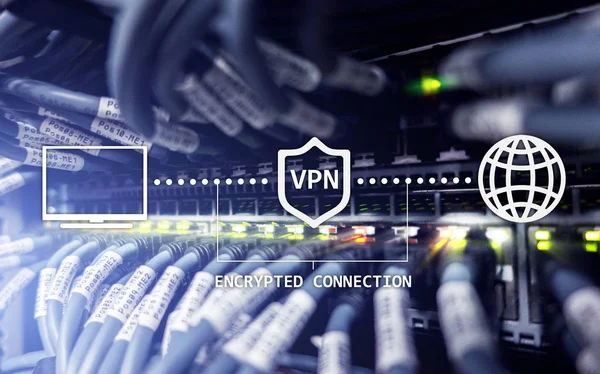
Encryption is one of the core functions of a VPN, yet it is also one of the most misunderstood. Many users assume a VPN simply “hides” traffic, when in reality it performs a much more specific role: encrypting data between your device and a VPN server so that it cannot be inspected in transit. Understanding how this process works helps clarify what VPNs protect — and what they don’t.
What Encryption Means in the Context of a VPN
Encryption converts readable data into an encoded format that can only be decrypted using a shared key. In a VPN connection, encryption protects traffic while it travels across networks you do not control, such as ISP infrastructure, corporate gateways, or public Wi-Fi.
This is called data-in-transit protection, not data-at-rest protection. A VPN does not encrypt files on your device — it encrypts packets while they move.
How a VPN Establishes a Secure Tunnel
When you connect to a VPN, your device performs a cryptographic handshake with the VPN server. This handshake authenticates both sides and negotiates encryption keys before any traffic is transmitted.
| Step | What Happens |
|---|---|
| Authentication | Client verifies the VPN server identity |
| Key Exchange | Secure session keys are generated |
| Tunnel Creation | Encrypted channel is established |
| Data Transmission | All packets travel inside the encrypted tunnel |
Symmetric vs Asymmetric Encryption in VPNs
VPN protocols combine two different encryption methods:
- Asymmetric encryption — used during handshake to exchange keys securely
- Symmetric encryption — used for ongoing traffic because it is much faster
Once the secure channel is established, VPNs switch to symmetric encryption algorithms such as AES-256 or ChaCha20 to maintain high throughput.
Common Encryption Algorithms Used by VPNs
| Algorithm | Used In | Strength | Performance |
|---|---|---|---|
| AES-256-GCM | OpenVPN, IKEv2 | Very High | Moderate |
| ChaCha20 | WireGuard | Very High | High (especially on mobile) |
| AES-128 | Performance-focused setups | High | Faster |
Modern VPNs prefer ChaCha20 or AES-GCM because they balance security and efficiency better than older cipher modes.
Why HTTPS Alone Is Not the Same as Using a VPN
HTTPS encrypts communication between your browser and a website. A VPN encrypts the connection between your device and the VPN server. These protections operate at different layers.
| Feature | HTTPS | VPN |
|---|---|---|
| Encrypts Web Traffic | Yes | Yes |
| Hides Destinations from ISP | No | Yes |
| Protects All Applications | No | Yes |
The Role of VPN Protocols in Encryption
Encryption strength depends not just on algorithms but also on how protocols implement them. Each protocol defines how keys are exchanged, how packets are encapsulated, and how sessions are maintained.
- WireGuard — modern design, minimal codebase, efficient cryptography
- OpenVPN — highly configurable, widely audited
- IKEv2/IPsec — stable for mobile reconnections
Perfect Forward Secrecy (PFS): Why It Matters
Many VPN protocols implement Perfect Forward Secrecy, meaning each session generates unique encryption keys. Even if one session key were compromised, it would not decrypt past or future traffic.
This prevents retrospective decryption attacks.
Encryption Overhead: Why VPNs Can Affect Speed
Encryption requires computation. Every packet must be encrypted before sending and decrypted upon arrival. This introduces CPU load and slightly increases latency.
- Stronger encryption → more processing
- Longer routing path → added latency
- Protocol efficiency → major performance factor
This is why modern lightweight protocols like WireGuard are gaining adoption.
What VPN Encryption Does NOT Protect Against
Encryption secures data in transit, but it cannot protect against:
- Malicious software already on your device
- Tracking tied to logged-in accounts
- Browser fingerprinting
- Weak passwords or phishing
When VPN Encryption Is Most Valuable
- Using public or shared networks
- Preventing ISP-level traffic inspection
- Securing remote work connections
- Reducing metadata exposure
Conclusion
VPN encryption is not about invisibility — it is about securing the path your data takes across networks. By creating an encrypted tunnel, VPNs ensure that intermediaries cannot inspect or tamper with traffic in transit.
Understanding this distinction helps users evaluate VPN services realistically and choose them for the right reasons: network security, not magical anonymity.
FAQ
Is VPN encryption different from HTTPS?
Yes. HTTPS protects browser-to-site communication, while VPN encryption protects the entire connection to the VPN server.
Does stronger encryption always mean better security?
Not necessarily. Proper implementation and protocol design matter more than raw cipher strength.
Can VPN encryption be broken?
Modern VPN encryption is designed to be computationally infeasible to break with current technology when implemented correctly.