How VPN Services Protect Personal Data Online
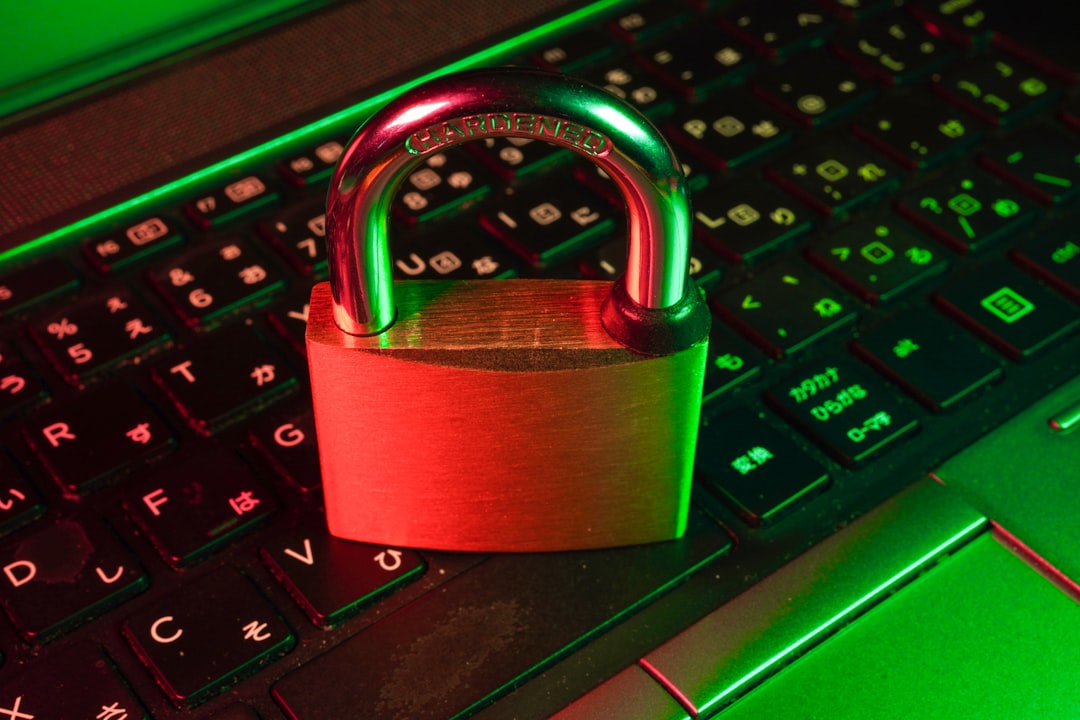
Every time you connect to the internet, your personal data becomes vulnerable to interception, tracking, and surveillance. Internet Service Providers (ISPs), hackers, advertisers, and even government agencies can monitor your online activities, collect sensitive information, and build detailed profiles about your digital behavior. This article explains how Virtual Private Network (VPN) services create secure tunnels for your internet traffic and protect your personal data from unauthorized access and surveillance.
Encryption: The Core Protection Layer
VPN services protect your data primarily through military-grade encryption protocols. When you connect to a VPN server, all data traveling between your device and the VPN server gets encrypted using advanced algorithms like AES-256, the same standard used by governments and financial institutions worldwide. This encryption renders your data unreadable to anyone attempting to intercept it, including hackers on public Wi-Fi networks and ISPs monitoring your connection.
The encryption process works in both directions—both uploading and downloading—creating a secure tunnel that shields your:
- Login credentials and passwords
- Banking and financial information
- Personal messages and emails
- Browsing history and search queries
- File transfers and downloads
Even if someone captures your encrypted data packets, they cannot decipher the contents without the encryption keys, making intercepted information essentially worthless.
IP Address Masking and Location Privacy
Your IP address functions as your device's unique identifier online, revealing your approximate geographic location and enabling tracking across websites. VPN services mask your real IP address by routing your connection through their servers, replacing your actual IP with the VPN server's IP address. This process prevents websites, advertisers, and trackers from identifying your true location or linking your online activities back to you.
IP masking provides several privacy benefits:
- Prevents location-based targeting and price discrimination
- Stops websites from building persistent tracking profiles
- Enables access to region-restricted content safely
- Protects against IP-based cyberattacks and harassment
By constantly changing the IP address associated with your browsing sessions, VPNs make it significantly harder for third parties to correlate your activities or identify patterns in your online behavior.
VPN Protocols and Data Protection Features
Different VPN protocols offer varying levels of security and performance. Understanding these protocols helps you choose the right protection for your needs. Modern VPN services support multiple protocols, each balancing security, speed, and compatibility.
| Protocol | Security Level | Speed | Best For |
|---|---|---|---|
| OpenVPN | Very High | Fast | General use, high security |
| WireGuard | High | Very Fast | Modern devices, performance |
| IKEv2/IPSec | High | Fast | Mobile devices, stability |
| L2TP/IPSec | Medium | Moderate | Legacy device support |
Premium VPN services also include additional data protection features like kill switches that automatically disconnect your internet if the VPN connection drops, preventing data leaks. DNS leak protection ensures all DNS queries route through the encrypted VPN tunnel rather than through your ISP's servers, which could expose your browsing destinations.
Protection Against ISP Surveillance and Throttling
Internet Service Providers have the technical capability and legal authorization in many countries to monitor, log, and even sell your browsing data to third parties. VPNs prevent this surveillance by encrypting all traffic before it reaches your ISP's infrastructure. Your ISP can see that you're connected to a VPN server but cannot determine which websites you visit, what content you access, or what files you transfer.
This encryption also prevents bandwidth throttling—the practice where ISPs deliberately slow down specific types of traffic like streaming or torrenting. Since your ISP cannot inspect your encrypted traffic to identify these activities, they cannot selectively throttle your connection, ensuring consistent internet speeds across all online activities.
Limitations and Responsible Usage
While VPN services provide robust data protection, they're not absolute anonymity tools. Your VPN provider can technically see your traffic, making it crucial to choose reputable services with verified no-logs policies and independent security audits. VPNs also don't protect against malware, phishing attacks, or poor security practices like weak passwords.
Responsible VPN usage means understanding that privacy tools should complement, not replace, good cybersecurity hygiene. Use VPNs alongside updated antivirus software, enable two-factor authentication on accounts, and remain vigilant about suspicious links and downloads.
VPN services offer powerful protection for your personal data through encryption, IP masking, and secure protocols. By creating encrypted tunnels for your internet traffic, VPNs shield your sensitive information from ISP surveillance, hackers, and unauthorized tracking. Choose a reputable VPN provider with strong encryption standards and a verified no-logs policy to maximize your online privacy and data protection.