What Is a VPN and Why Do People Use It?
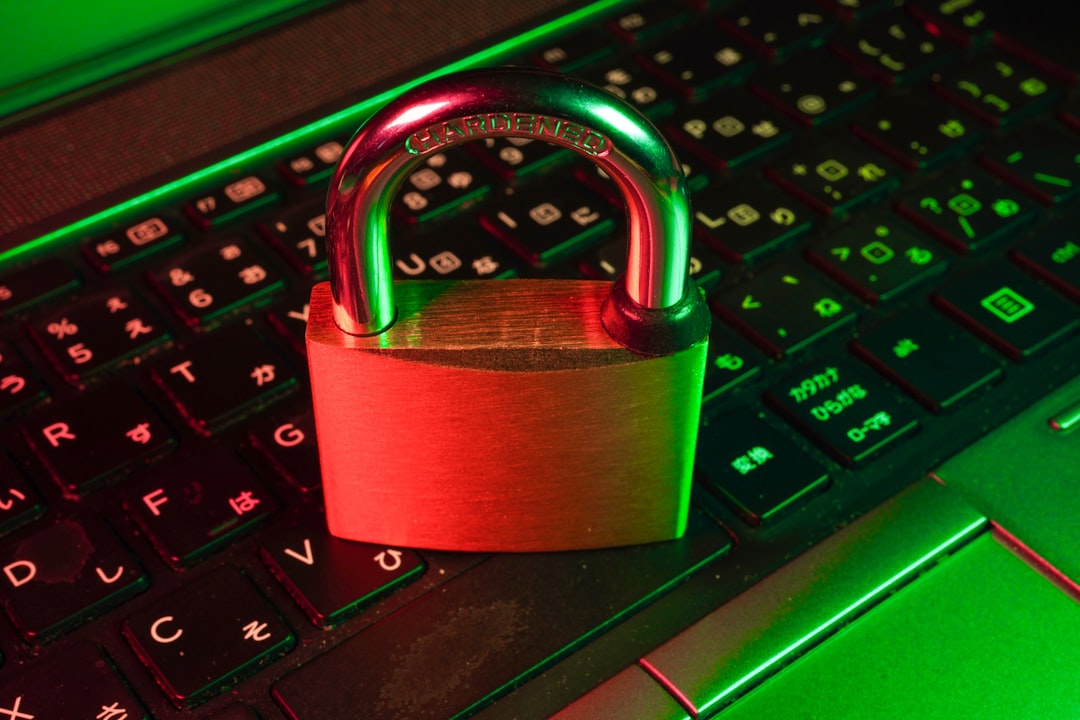
Virtual Private Networks (VPNs) have become essential tools for internet users worldwide, but many people still wonder what they actually do. A VPN creates an encrypted tunnel between your device and the internet, masking your IP address and protecting your online activities from prying eyes. Whether you're concerned about privacy, security, or accessing content, understanding VPNs helps you make informed decisions about your digital life. This guide explains what VPNs are and the primary reasons people rely on them daily.
How Does a VPN Work?
A VPN works by routing your internet connection through a remote server operated by the VPN provider. When you connect to a VPN, your device establishes an encrypted connection to the VPN server before accessing the internet. This process changes your visible IP address to match the server's location and encrypts all data traveling between your device and the VPN server.
The encryption protocols used by VPNs include OpenVPN, WireGuard, and IKEv2/IPsec. These protocols scramble your data so that internet service providers (ISPs), governments, hackers, and other third parties cannot read your online activities. The VPN server then forwards your requests to websites and services, receiving responses on your behalf and sending them back through the encrypted tunnel.
Key VPN components include:
- Client software installed on your device
- Remote VPN servers in various locations
- Encryption protocols to secure data
- IP address masking to hide your real location
Top Reasons People Use VPNs
Privacy protection ranks as the number one reason people choose VPNs. Internet service providers can track and log every website you visit, and advertisers build detailed profiles based on your browsing habits. A VPN prevents ISPs from monitoring your traffic and shields your browsing history from data collectors. This protection becomes especially important when using public Wi-Fi networks in coffee shops, airports, or hotels.
Security concerns drive many users to VPNs, particularly when handling sensitive information. The encryption provided by VPNs protects login credentials, financial data, and personal communications from hackers using packet sniffing or man-in-the-middle attacks. Remote workers accessing company networks also rely on VPNs to maintain secure connections to corporate resources.
Content access represents another major use case. Geographic restrictions often limit which streaming services, websites, or online platforms you can access based on your location. By connecting to VPN servers in different countries, users can bypass these regional blocks, though this should only be done in compliance with service terms and local laws.
| Use Case | Primary Benefit | User Type |
|---|---|---|
| Privacy Protection | Hide browsing from ISPs and trackers | General users |
| Public Wi-Fi Security | Encrypt data on unsecured networks | Travelers, remote workers |
| Bypass Censorship | Access blocked content | Users in restricted regions |
| Remote Work Access | Secure connection to company networks | Corporate employees |
Common VPN Limitations to Understand
While VPNs provide significant privacy and security benefits, they aren't absolute solutions. VPNs cannot make you completely anonymous online—websites can still use browser fingerprinting, cookies, and account logins to identify you. Your VPN provider itself can theoretically see your traffic, making it crucial to choose reputable services with strong privacy policies and no-logs commitments.
Connection speed often decreases when using a VPN because your traffic takes a longer route through the VPN server and requires encryption processing. The speed impact varies based on server distance, server load, and the VPN protocol used. Additionally, some websites and services actively block VPN connections, particularly streaming platforms and financial institutions implementing fraud prevention measures.
VPN limitations include:
- Potential speed reduction of 10-50%
- Reliance on provider's privacy practices
- Possible blocking by certain websites
- Cannot protect against all tracking methods
Choosing the Right VPN for Your Needs
Selecting a VPN requires evaluating several factors beyond basic privacy promises. Look for providers with verified no-logs policies, preferably audited by independent third parties. The number and location of servers matters for both speed and geographic flexibility—more servers typically mean better performance and more location options.
Strong encryption standards are non-negotiable. Your VPN should support modern protocols like WireGuard or OpenVPN with AES-256 encryption. Additional features worth considering include a kill switch that blocks internet access if the VPN connection drops, split tunneling to route only specific traffic through the VPN, and multi-device support for protecting all your gadgets.
Pricing varies widely, but expensive doesn't always mean better. Many reputable VPN services offer affordable plans with all essential features. Free VPNs often compromise on privacy by logging and selling user data or display intrusive advertisements, making paid services generally the safer choice for serious privacy protection.
Understanding what VPNs do and why millions of people use them helps you decide whether this technology fits your digital security needs. VPNs offer valuable privacy and security benefits for everyday internet users, though they work best as part of a comprehensive approach to online safety. Consider your specific requirements—whether privacy, security, or access—and choose a reputable VPN provider that aligns with your goals and respects your data.