The Role of Proxies in Online Privacy Protection
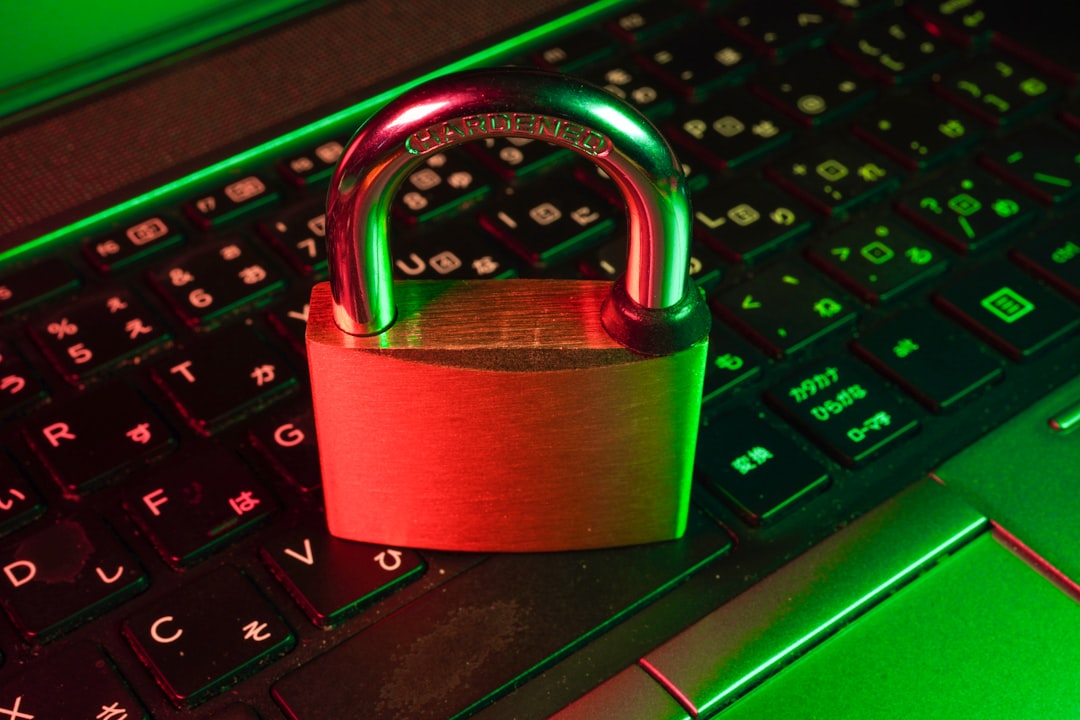
Every time you browse the internet, your IP address reveals your location and can be tracked by websites, advertisers, and potentially malicious actors. Proxies serve as intermediaries between your device and the internet, masking your real IP address and adding a layer of privacy protection. This guide explores how proxies work, their role in safeguarding your online privacy, and when they're the right tool for your security needs.
Understanding How Proxies Protect Your Privacy
A proxy server acts as a gateway between you and the websites you visit. When you connect through a proxy, your internet traffic is routed through the proxy server first, which then forwards your requests to the destination website. The website sees the proxy's IP address instead of yours, effectively hiding your digital identity. This basic mechanism provides several privacy benefits including IP address masking, location obfuscation, and reduced tracking capabilities for websites and advertisers.
Proxies also help circumvent geo-restrictions and censorship by making it appear as though you're browsing from a different location. However, it's important to understand that not all proxies encrypt your data—some simply relay your traffic without additional security layers. For sensitive activities, combining proxies with encryption protocols or using them alongside other privacy tools creates more robust protection.
Types of Proxies and Their Privacy Capabilities
Different proxy types offer varying levels of privacy protection. HTTP proxies work with web browsers and are ideal for basic web browsing anonymity, but they don't encrypt data. HTTPS proxies add SSL encryption, providing better security for sensitive data transmission. SOCKS proxies operate at a lower level and can handle various types of traffic including email, torrenting, and streaming, making them more versatile.
| Proxy Type | Encryption | Best Use Case | Privacy Level |
|---|---|---|---|
| HTTP Proxy | None | Basic web browsing | Low |
| HTTPS Proxy | SSL/TLS | Secure web browsing | Medium |
| SOCKS5 Proxy | None (supports apps) | Torrenting, streaming | Medium |
| Residential Proxy | Varies | Data scraping, research | High |
Residential proxies use real IP addresses from ISPs, making them harder to detect and block. They're particularly effective for privacy-conscious activities requiring legitimate-looking traffic patterns.
Proxies vs VPNs: Choosing the Right Privacy Tool
While both proxies and VPNs hide your IP address, they differ significantly in scope and security. A VPN encrypts all traffic from your device and routes it through a secure tunnel, protecting everything from your browser to your apps. Proxies typically work only with specific applications and often lack comprehensive encryption. VPNs also provide better protection against DNS leaks and offer kill switches to prevent exposure if the connection drops.
However, proxies have distinct advantages: they're generally faster since they don't encrypt all data, they're easier to configure for specific applications, and they're often more affordable. For tasks like web scraping, managing multiple accounts, or bypassing simple geo-blocks, proxies are efficient and practical. For comprehensive privacy protection, banking, or handling sensitive data, VPNs are the superior choice.
Practical Privacy Applications for Proxy Servers
Proxies excel in several privacy-focused scenarios. Digital marketers use them to verify ad placements across different regions without revealing their true location. Privacy advocates employ proxy chains—routing traffic through multiple proxies—for enhanced anonymity. Researchers use proxies to gather data without triggering rate limits or revealing institutional IP addresses.
For account isolation, proxies help manage multiple social media or e-commerce accounts without cross-contamination. Each account operates through a different proxy IP, preventing platforms from linking accounts through IP association. However, remember that proxies alone don't provide complete anonymity—browser fingerprinting, cookies, and behavioral analysis can still identify users. Combine proxies with anti-fingerprinting browsers and privacy-focused browsing habits for comprehensive protection.
Choosing Reliable Proxies for Privacy Protection
Not all proxy services deliver genuine privacy protection. Free proxies often log your data, inject ads, or even steal credentials. When selecting a proxy provider, prioritize these factors: a strict no-logs policy, transparent ownership and jurisdiction, strong encryption protocols (for HTTPS proxies), and positive independent security audits. Test for DNS and IP leaks using online tools before trusting a proxy with sensitive activities.
Consider whether you need datacenter proxies (faster, cheaper, but easier to detect) or residential proxies (more expensive but appear as regular users). For rotating proxies that automatically change your IP address, verify the rotation frequency and pool size. Always read the provider's terms of service to understand data retention policies and cooperation with authorities.
Proxies offer valuable privacy protection when used correctly and chosen wisely. By understanding their capabilities and limitations, you can effectively incorporate them into your online privacy strategy. Whether you're protecting personal browsing habits or managing professional accounts, proxies provide flexible, targeted privacy solutions that complement other security tools in your digital defense arsenal.