How VPN Services Improve Online Privacy and Security
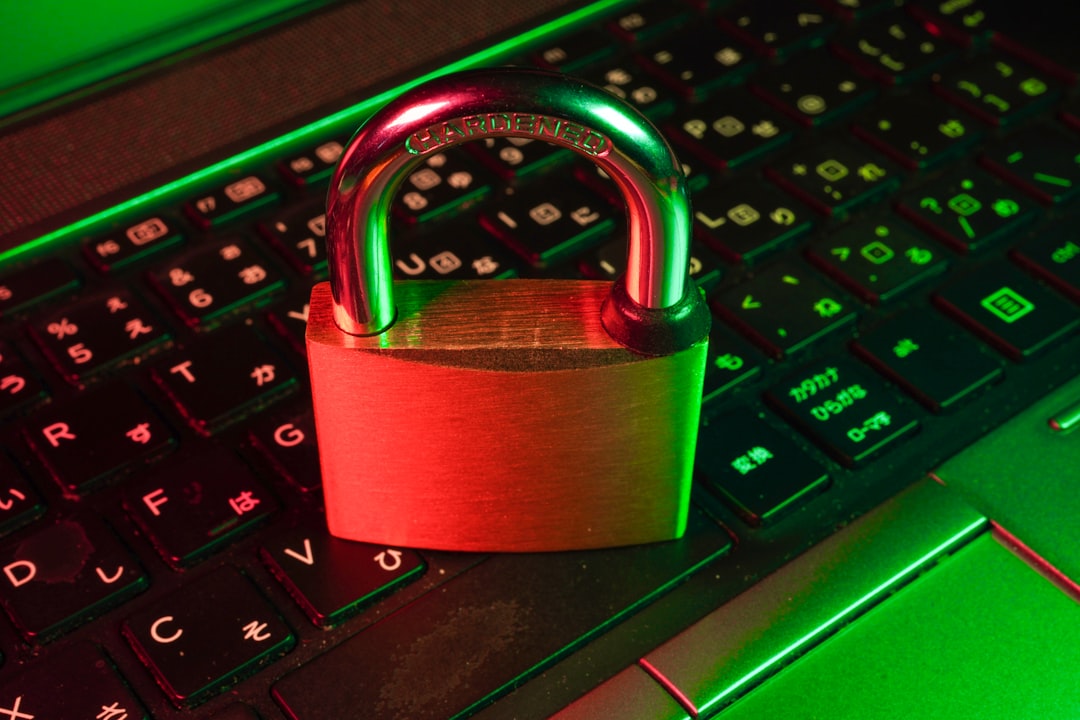
Your internet service provider, advertisers, and potential attackers can monitor your online activities without proper protection. Virtual Private Networks (VPNs) create encrypted tunnels between your device and the internet, shielding your data from prying eyes. This article explains the core mechanisms VPNs use to enhance privacy and security, helping you understand why millions of users rely on these tools daily.
Encryption: The Foundation of VPN Security
VPNs protect your data by wrapping it in layers of encryption before it leaves your device. Modern VPN services typically use AES-256 encryption, the same standard trusted by governments and military organizations worldwide. This encryption scrambles your internet traffic into unreadable code that only your VPN server can decipher.
When you connect to public Wi-Fi at coffee shops or airports, unencrypted connections expose your passwords, emails, and banking details to anyone monitoring the network. A VPN prevents this by ensuring all data transmission remains encrypted, even on compromised networks. The encryption process happens automatically once you activate your VPN client, requiring no technical expertise from users.
Popular encryption protocols include OpenVPN, WireGuard, and IKEv2/IPsec, each offering different balances between speed and security. WireGuard has gained traction for its lightweight code and faster connection speeds while maintaining robust security standards.
IP Address Masking and Location Privacy
Every device connected to the internet has a unique IP address that reveals your approximate geographic location and identifies your internet service provider. VPNs replace your real IP address with one from their server network, effectively masking your true location and identity online.
This IP masking provides several privacy benefits:
- Anonymous browsing: Websites cannot track your actual location or build profiles based on your IP address
- Bypass geo-restrictions: Access content available in different regions by connecting through servers in those locations
- Prevent targeted advertising: Advertisers lose the ability to correlate your browsing with your physical location
- Avoid ISP throttling: Internet providers cannot selectively slow down specific types of traffic when they cannot identify it
When you connect to a VPN server in another country, websites and services see that server's IP address instead of yours, creating a privacy barrier between your identity and your online activities.
VPN Security Features Comparison
Different VPN providers offer varying security features beyond basic encryption. Understanding these differences helps you choose the right service for your privacy needs:
| Feature | Purpose | Privacy Impact |
|---|---|---|
| Kill Switch | Blocks internet if VPN disconnects | Prevents IP leaks during connection drops |
| No-Logs Policy | Provider doesn't record user activity | Ensures no browsing history stored |
| DNS Leak Protection | Routes DNS queries through VPN | Prevents ISP from seeing visited domains |
| Multi-Hop Routing | Traffic passes through multiple servers | Adds extra anonymity layer |
The kill switch feature is particularly critical—it automatically disconnects your internet if the VPN connection fails, preventing your real IP address from being exposed. A verified no-logs policy, ideally audited by independent security firms, ensures the provider cannot hand over your browsing history even if legally compelled.
Protection Against Tracking and Surveillance
Internet service providers in many countries are legally required to log user activities and can sell this data to advertisers. VPNs prevent ISP surveillance by encrypting all traffic before it reaches your provider's infrastructure. Your ISP can see you're connected to a VPN server but cannot determine which websites you visit or what data you transmit.
Government surveillance programs and mass data collection initiatives also rely on monitoring internet traffic at various network points. While VPNs cannot guarantee complete anonymity against sophisticated state-level actors, they significantly raise the difficulty and cost of surveillance operations. For most users, this protection level is sufficient for daily privacy needs.
Corporate tracking networks that follow users across websites lose effectiveness when VPN connections combine with other privacy tools like ad blockers and anti-tracking browser extensions. This layered approach creates robust protection against common surveillance methods.
Limitations and Realistic Expectations
VPNs provide substantial privacy improvements but are not perfect solutions. They cannot protect against malware infections, phishing attacks, or poor security practices like weak passwords. Your VPN provider can theoretically access your unencrypted traffic, making provider trustworthiness essential.
Browser fingerprinting techniques can still identify you based on device characteristics, screen resolution, installed fonts, and other unique attributes. Combining VPN usage with privacy-focused browsers like Firefox with enhanced tracking protection or Brave offers more comprehensive protection.
Connection speeds typically decrease when using VPNs due to encryption overhead and increased routing distance. Modern protocols like WireGuard minimize this impact, but users should expect some performance trade-off for enhanced privacy and security.
VPN services strengthen your online privacy through military-grade encryption, IP masking, and secure tunneling protocols. By preventing ISP surveillance, protecting against public Wi-Fi threats, and hiding your geographic location, VPNs form an essential component of modern digital privacy strategies. Choose providers with verified no-logs policies, strong encryption standards, and essential security features like kill switches for optimal protection.